
Why Am I Losing So Much Hair? Signs, Causes & How to Stop It
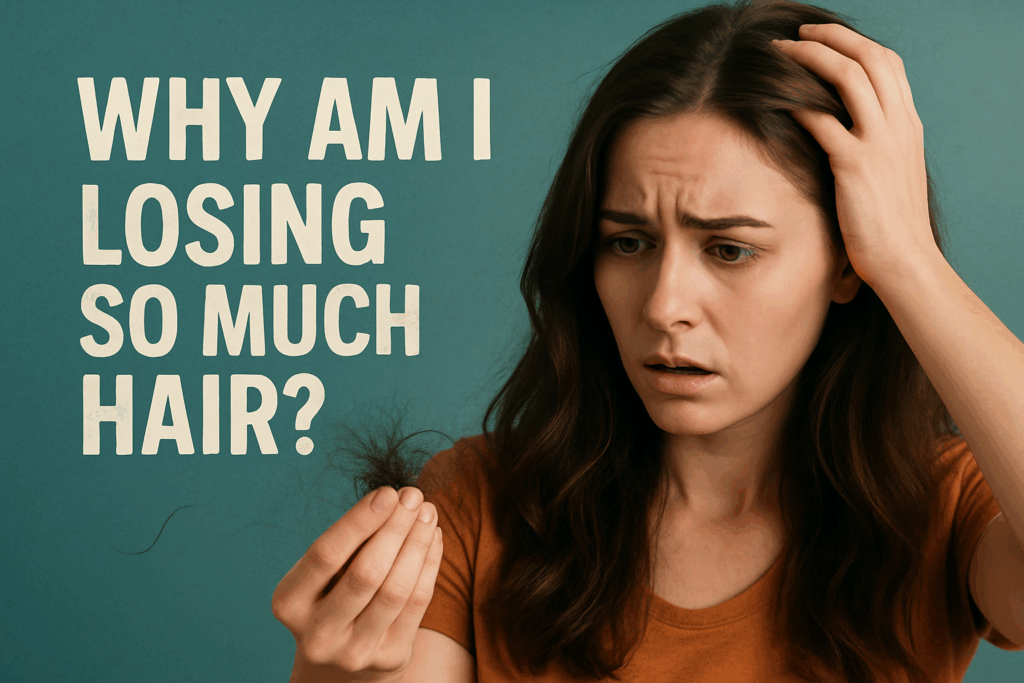
Are you finding more hair in your brush or shower drain than usual? You’re not imagining things, and you’re definitely not alone. Hair fall is a common issue for both men and women, but if you’re wondering “Why am I losing so much hair?”, it’s important to know what’s normal, what’s not, and what you can do about it.
Is Hair Fall Normal?
Yes, hair fall is completely normal to an extent, but there are clear signs and causes that separate normal shedding from a deeper issue. However, when you start noticing excessive hair fall, it might indicate an underlying issue. Recognizing early signs of hair loss can help prevent severe hair loss and long-term damage. In this post, we answer your top concerns and provide practical tips to stop hair loss before it gets worse.
Signs of Excessive Hair Fall
1. Recognizing early signs can help you prevent further hair loss.
2. Gradual thinning of the hair on your head
3. A bald spot that grows slowly
4. Receding hairline that becomes more visible with each passing year
5. Widening part
6. Thinner ponytail
Common Causes of Hair Fall
There are many reasons you may be losing more hair than usual. Below are some of the most common reasons for hair loss:
Stress: Many people experience a general thinning of hair several months after a physical or emotional shock. This type of hair loss is temporary.
Hormonal changes: A variety of conditions can cause permanent or temporary hair loss, including hormonal changes due to pregnancy, childbirth, PCOS, menopause, and thyroid problems. These hormonal imbalances affect the hair cycle and may lead to extreme hair loss in women.
Genetics: The most common cause of hair loss is a hereditary condition that happens with aging. This condition is called androgenic alopecia, male-pattern baldness, and female-pattern baldness.
Poor nutrition: A healthy diet is crucial for preventing hair fall. Deficiencies in nutrients like iron, zinc, and vitamin D are one of the major reasons for hair loss in women and men alike.
Medical conditions: Medical conditions include alopecia areata, which is immune system-related and causes patchy hair loss, scalp infections such as ringworm, and a hair-pulling disorder called trichotillomania
Frequent styling: Excessive hairstyling or hairstyles that pull your hair tight can cause a type of hair loss called traction alopecia. Hot-oil hair treatments and permanents also can cause hair to fall out.
Medications and Supplements: Hair loss can be a side effect of certain drugs, such as those used for cancer, arthritis, depression, heart problems, gout, and high blood pressure.
How to Stop Hair Fall and Regrow Hair Naturally
The good news? Hair fall can often be reversed or managed with the right approach. Here’s how to stop hair fall immediately and encourage healthy regrowth
1. Nourish from Within
- Eat a balanced diet rich in proteins, vitamins, and minerals
- Include iron-rich foods like spinach, lentils, and lean meats
- Stay hydrated and reduce intake of processed foods
2. Be Gentle with Your Hair
- Avoid tight hairstyles and excessive brushing
- Use sulfate-free, mild shampoos and conditioners
- Air-dry your hair whenever possible
3. Reduce Stress
- Practice yoga, meditation, or regular exercise
- Get enough quality sleep
- Take time to relax and unwind daily
4. Scalp Care
- Massage your scalp regularly to improve blood circulation
- Use oils like coconut, castor, or rosemary for nourishment
- Keep your scalp clean to avoid infections
5. Try Natural Remedies
- Aloe vera gel, onion juice, and fenugreek (methi) paste can support hair regrowth.
- Green tea and apple cider vinegar rinses can help reduce dandruff and hair loss.
When to See a Dermatologist
If your hair loss is sudden, patchy, or accompanied by itching, pain, or other symptoms, it’s best to consult a healthcare professional. A dermatologist can identify the root cause and suggest treatments such as:
- Topical minoxidil
- Platelet-rich plasma (PRP) therapy
- Hormonal treatments or supplements
- Laser therapy or microneedling
Conclusion
Losing hair can be stressful, but identifying the cause early makes it easier to treat. By improving your lifestyle, following a gentle hair care routine, and seeking professional help when needed, you can control hair fall and even regrow lost hair naturally. If you’re still asking yourself, “Why am I losing so much hair?” despite trying different remedies, it might be time to consult a dermatologist for a personalized solution. Early action makes all the difference.
Pro Tip:
Keep a hair loss journal for 2–4 weeks — track patterns, products, and diet. It can help you and your doctor identify causes more accurately.
How much hair fall is considered normal per day?
Can stress cause sudden hair loss?
What are the best foods to stop hair fall?
Does oiling help reduce hair fall?
Can hair loss be reversed naturally?
Read More: Home Remedies for Premature Greying