Textures and Colours in Interiors
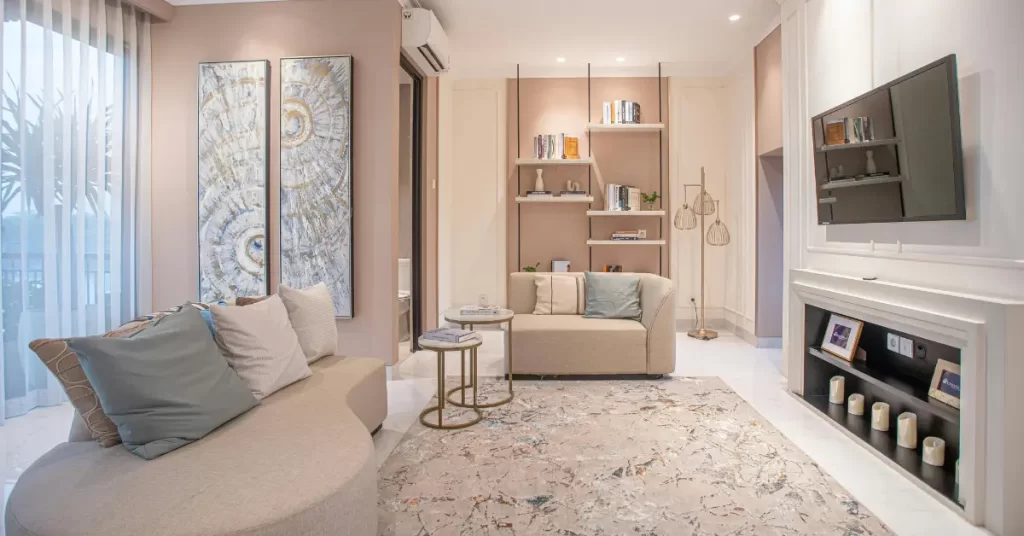
Textures and colours are important elements that bring personality and character to a home.Although colours have an effect on the mood and energy of a room, it is textures that add depth and make the interior seem more layered and interesting. The right combination can transform a plain looking room into a thoughtfully designed one that feels comfortable and personal.
Build a Personalised Colour Palette
Colours are one of the first things people notice when they enter a room. A well planned colour palette creates a sense of balance and helps different elements work together. Rather than picking shades at random, you should think about the atmosphere you want each area to have and then choose the colours to match.
1.1 Start with a Base Colour
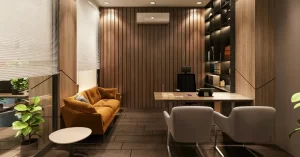
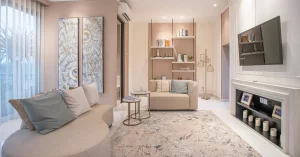
The basic colour serves as the foundation for the room and has an effect on the overall appearance of the space. Neutral tones such as beige, ivory, white and soft grey are frequently chosen since they provide a versatile background. For example, a beige wall can be paired with wooden furniture and darker accent pieces to create a warm interior.
1.2 Choose Colours Based on Room Purpose
The choice of colour can vary from room to room according to their function and the kind of atmosphere they aim to create; in bedrooms, softer and more calming colours tend to be effective, whereas in living areas slightly warmer tones can make the space feel more welcoming.
Add Depth by Mixing Different Textures
Textures bring a sense of warmth and dimension to interiors by adding variety to different surfaces. Without textures, a room can a lot of times feel plain or incomplete. By combining different materials and finishes, you can create a space that feels more balanced, comfortable, and visually interesting.
1.1 Use Materials to Create Visual Interest
Different materials can give your interior spaces unique qualities and make them seem more thoughtfully designed. For instance, a kitchen with wooden cabinets, marble countertops, and metallic handles can achieve a balanced mix of textures.
1.2 Combine Soft and Hard Textures
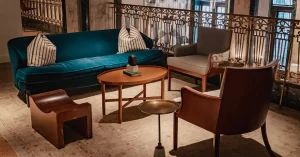
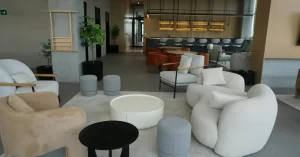
Mixing soft and hard textures creates contrast and prevents a room from feeling monochromatic and boring. The soft items such as cushions, curtains and rugs give a sense of comfort, while more solid materials like wood, glass, metal and stone give structure.
FAQs
Why are colours important in interior design?
The mood, personality, and general atmosphere of a room can be affected by colour, and appropriate colour combinations can make rooms seem more comfortable, balanced, and connected.
How can textures improve home interiors?
Textures add depth and make spaces feel more layered and interesting. Combining materials like wood, fabric, stone, and metal can create a more balanced and inviting environment.
How can I mix different textures without making the room look crowded?
Modern interiors often combine natural materials with softer elements for a balanced look. For example, you can combine wood with linen, marble with metal, or stone with warm fabrics to obtain an elegant result.
Can colours and textures make a small room look better?
Yes, the right combination can influence how a small space feels. Using lighter colours, faint patterns, and carefully chosen textures can make the room seem more comfortable without it looking crowded.
How do I choose textures that suit my home style?
The choice of textures should match the overall design theme of your home. Smooth finishes work well for minimal interiors, while richer textures like velvet or wood can complement more luxurious styles.