Japan Travel Guide for First Time Visitors
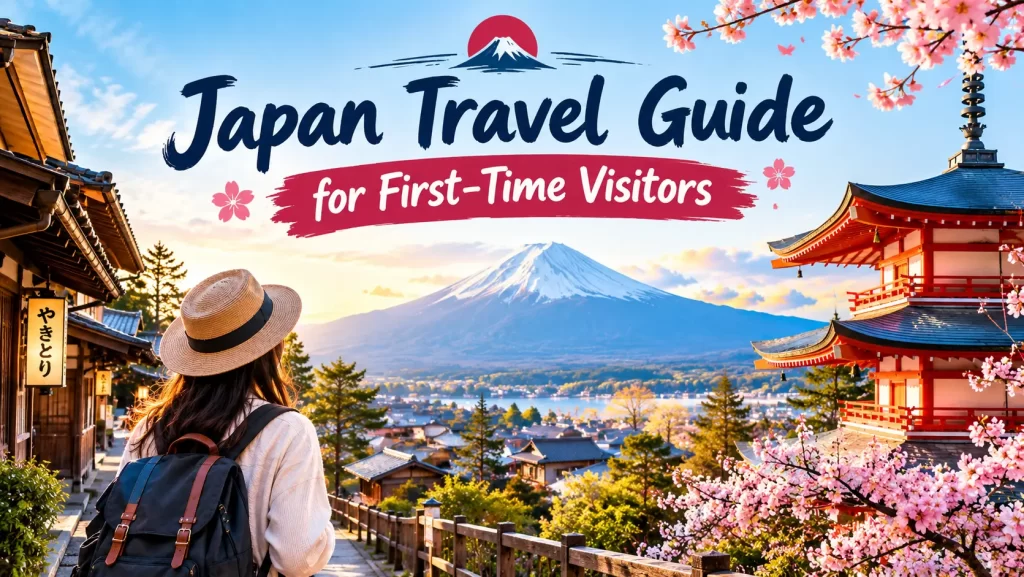 Planning a Japan travel guide for first-time visitors often starts the same way you open a dozen tabs, dream about the trip for months, and still aren’t sure where to begin. Japan combines ancient traditions, futuristic cities, beautiful landscapes, incredible food, and one of the world’s most efficient transportation systems. From walking through historic streets in Kyoto to seeing the bright lights of Tokyo, there is something for almost every type of traveler.
Why Visit Japan for Your First Trip?
Japan is one of those destinations where every region can offer a completely different experience. Modern cities such as Tokyo and Osaka showcase Japan’s technology, shopping, entertainment, and food culture, while Kyoto and Nara offer a glimpse into the country’s historical traditions.
Nature is another major reason to visit. Japan has mountains, forests, lakes, beaches, national parks, and scenic countryside. Mount Fuji is perhaps the country’s most recognisable natural landmark, while Hokkaido is known for its landscapes and winter experiences.
Japanese culture also makes travelling here unique. Visitors can experience traditional tea ceremonies, stay in a ryokan, relax in an onsen, visit centuries-old temples, and enjoy seasonal festivals.
If you’re still deciding where to go, our guide to 10 Incredible Tourist Places to Explore in Japan is a useful starting point for choosing destinations.
Best Places to Visit on Your First Japan Trip
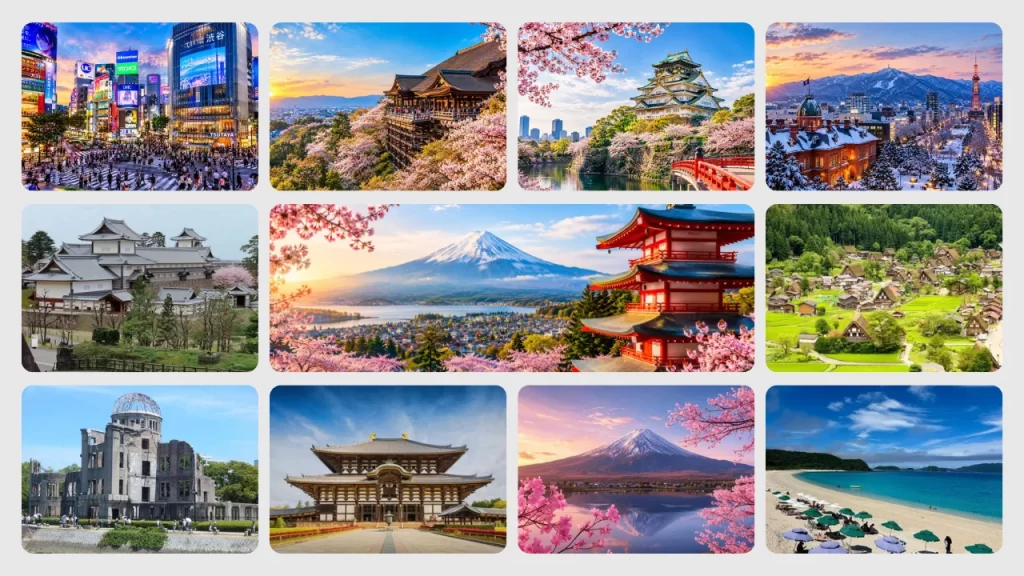 For a first visit, it is usually better to focus on a few destinations rather than trying to see the entire country. Tokyo, Kyoto, and Osaka form a popular route because they offer very different experiences and are well connected by train.
Tokyo for First-Time Visitors
Tokyo is an excellent introduction to Japan’s modern side. The enormous city offers everything from skyscrapers and shopping districts to quiet temples and traditional neighbourhoods.
Explore Shibuya for its famous crossing and energetic atmosphere, visit Asakusa to see Senso-ji Temple, and explore neighbourhoods such as Shinjuku, Harajuku, and Ueno.
Tokyo is also a great place to discover Japanese food, from sushi and ramen to street food and local specialities.
Kyoto for Traditional Japan
Kyoto is one of the best destinations for travelers interested in Japanese history and culture. The city is home to numerous temples, shrines, gardens, and traditional neighbourhoods.
Popular attractions include Fushimi Inari Shrine, Kiyomizu-dera, Arashiyama, and the historic Gion district. Visiting early in the morning can provide a quieter experience at some of the city’s popular attractions.
Osaka Travel Guide for First-Time Visitors
Osaka has a reputation for being one of Japan’s best cities for food. Areas such as Dotonbori are packed with restaurants, colourful signs, and lively streets.
Beyond food, Osaka offers attractions such as Osaka Castle and Universal Studios Japan. The city’s location also makes it a convenient base for visiting nearby destinations.
Mount Fuji and Nearby Areas
Mount Fuji is an iconic part of the Japanese landscape. Depending on the season and weather conditions, travelers can enjoy views of the mountain from places around the Fuji Five Lakes, Hakone, and other nearby areas.
You do not necessarily need to climb Mount Fuji to appreciate it. Scenic viewpoints, lakes, gardens, and hot springs provide other ways to experience the region.
When Is the Best Time to Visit Japan?
You can visit Japan in any season, but when you go should really come down to what you’re hoping to see and do.
Spring in Japan
Spring is famous for cherry blossoms. Parks, gardens, and streets across the country can become especially beautiful when the blossoms are in bloom. However, popular destinations can become crowded during peak blossom periods.
Summer and Autumn
Summer brings festivals, fireworks, and outdoor activities, although some regions can be hot and humid.
Autumn is particularly popular for colourful foliage. Kyoto, Nikko, Hokkaido, and many mountain areas can be spectacular during the fall season.
Winter in Japan
Winter is ideal for travelers interested in snow, skiing, winter scenery, and hot springs. Hokkaido and the Japanese Alps are particularly popular winter destinations.
How to Plan Your First Japan Trip
Before booking everything, decide how many days you have and which regions you want to visit. A shorter trip should focus on fewer destinations, while a longer vacation gives you more flexibility.
For a first visit, a route such as Tokyo → Kyoto → Osaka can work well. You can then add destinations such as Hakone, Nara, Hiroshima, or Mount Fuji depending on your available time.
Avoid changing hotels every night. Spending several nights in each major destination makes the trip more comfortable and gives you more time to explore.
How Many Days Do You Need?
A week can provide a good introduction to Japan, but it requires careful planning. Ten to fourteen days allow you to travel at a more relaxed pace and include additional destinations.
If you have more time, consider exploring beyond the popular Golden Route to discover regions such as Hokkaido, Tohoku, Shikoku, or Kyushu.
Getting Around Japan: A First-Timer’s Guide
Japan’s transportation network makes independent travel relatively straightforward.
Traveling by Shinkansen
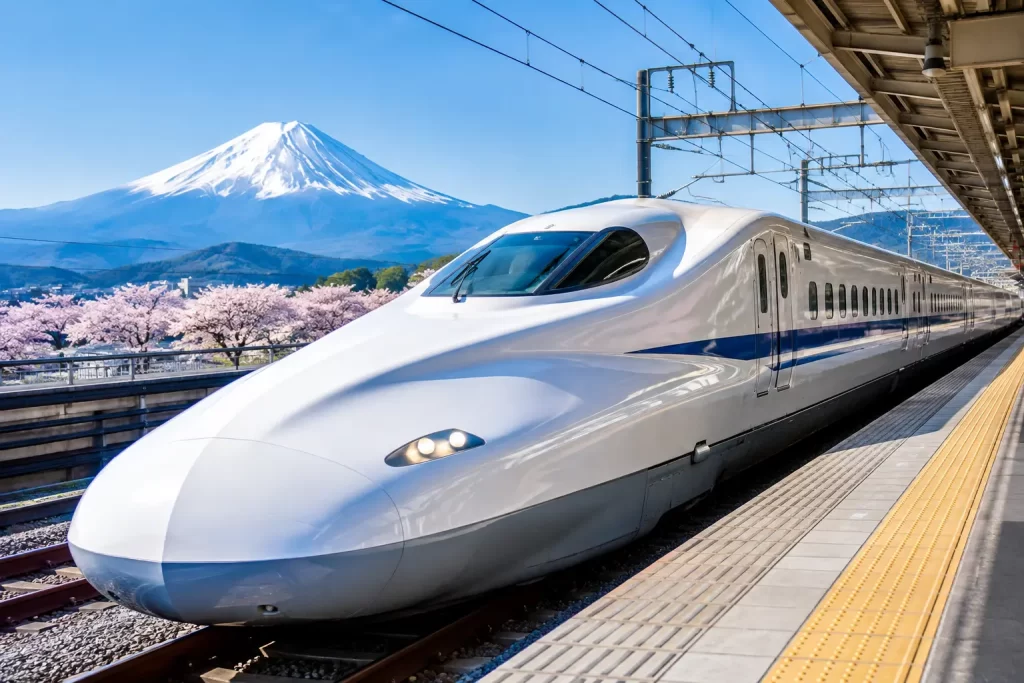 Japan’s famous bullet train, the Shinkansen, whisks you between big cities fast, and in surprising comfort. Book seats in advance when traveling during busy periods, particularly around major holidays.
Local Trains and Subways
Tokyo, Osaka, Kyoto, and other major cities have extensive local transportation networks. An IC transportation card can make many train, subway, and bus journeys easier because you can simply tap in and out where supported.
Should You Get a Japan Rail Pass?
A nationwide Japan Rail Pass is not automatically the best option for every traveler. Whether it provides value depends on your itinerary and the number and distance of train journeys you plan to make.
Compare the cost of individual tickets with available passes before purchasing one.
What to Eat in Japan
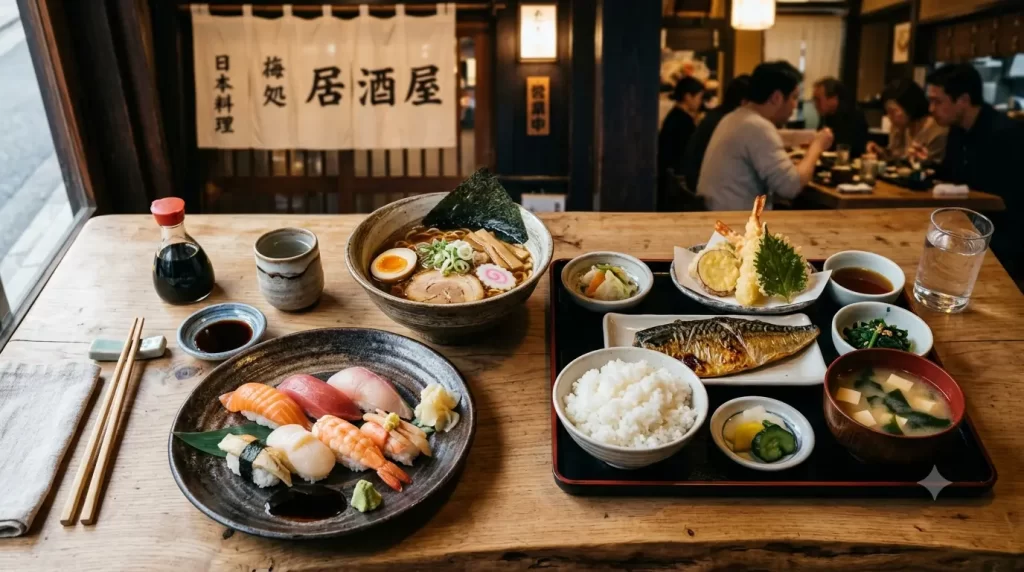 Food should be an important part of any Japan itinerary. Sushi and ramen are obvious choices, but Japanese cuisine extends far beyond them.
Try dishes such as tempura, udon, soba, okonomiyaki, yakitori, takoyaki, and Japanese curry. Regional specialties can also make your journey more memorable.
Convenience stores are another interesting part of Japanese food culture. Stores such as convenience chains offer affordable meals, snacks, drinks, and quick breakfasts.
Japanese Customs First-Time Visitors Should Know
Understanding a few basic customs can make your trip more comfortable.
Keep your voice low on public transportation, avoid eating while walking in situations where it may be considered inappropriate, and follow instructions when visiting temples and shrines.
When entering certain traditional establishments, you may need to remove your shoes. In restaurants, hotels, and shops, observe what locals do and follow posted instructions.
Tipping is generally not part of everyday Japanese service culture, so you normally do not need to leave a traditional tip.
Japan Travel Guide Costs and Budget
Japan can accommodate different travel budgets. Your biggest expenses will usually include flights, accommodation, transportation, food, and attractions.
Budget travelers can reduce costs by staying in hostels or affordable hotels, eating at casual restaurants, using public transportation, and choosing free attractions.
Mid-range travelers can combine comfortable hotels with local restaurants and occasional paid experiences.
Planning transportation carefully is particularly important because long-distance train journeys can add significantly to your overall budget.
Essential Japan Travel Tips
A few simple preparations can make your first trip easier.
Download useful maps and translation tools before leaving. Keep your accommodation address available in both English and Japanese. Carry a small amount of cash, even though card and contactless payments are increasingly common.
Pack according to the season and avoid bringing more luggage than you can comfortably manage on trains and through stations.
Most importantly, don’t plan every minute of your trip. Leave some free time to explore a neighborhood, discover a small restaurant, or simply enjoy the atmosphere.
Common Mistakes to Avoid in Japan
One of the biggest mistakes first-time visitors make is trying to visit too many destinations. Japan may look compact on a map, but traveling between cities can take several hours.
Another mistake is visiting only famous attractions. Popular landmarks are worth seeing, but exploring quieter neighborhoods can reveal another side of Japan.
It is also worth checking opening days, reservation requirements, and seasonal schedules before visiting specific attractions.
Plan Your First Japan Adventure
Japan offers an extraordinary combination of history, culture, food, nature, and modern city life. The key to enjoying your first trip is not trying to see everything at once.
Choose a manageable route, allow enough time in each destination, learn a few basic Japanese customs, and leave room for spontaneous discoveries.
Whether your first journey takes you through Tokyo, Kyoto, Osaka, Mount Fuji, or beyond, thoughtful preparation will help you spend less time worrying about logistics and more time experiencing Japan.
For more destination inspiration, continue with our guide to 10 Incredible Tourist Places to Explore in Japan and start building your own Japan itinerary.
Frequently Asked Questions
1. What should first-time visitors know before traveling to Japan?
First-time visitors should plan their route, accommodation, transportation, and major attractions in advance. It is also helpful to understand basic Japanese customs, carry some cash, and learn a few simple Japanese phrases.
2. How many days are enough for a first trip to Japan?
Around 7 to 14 days is a good starting point for a first Japan trip. Seven days can cover major destinations such as Tokyo, Kyoto, and Osaka, while 10 to 14 days allows more time for places such as Mount Fuji, Nara, Hiroshima, or other regional destinations.
3. What are the best places to visit in Japan for first-time travelers?
Tokyo, Kyoto, and Osaka are popular choices for first-time travelers because they offer a mix of modern attractions, traditional culture, food, shopping, and entertainment. Mount Fuji, Nara, and Hiroshima can also be added depending on your itinerary.
4. What is the best way to travel around Japan?
Japan’s extensive train network makes rail travel one of the most convenient ways to explore the country. The Shinkansen is useful for traveling between major cities, while local trains, subways, and buses are practical for getting around individual destinations.
5. What is the best time to visit Japan for a first trip?
Japan can be visited throughout the year. Spring is popular for cherry blossoms, autumn for colorful foliage, summer for festivals and outdoor activities, and winter for snow, skiing, and hot springs. The best season depends on the experiences and destinations you want to include in your trip.