
How to Improve Body Language: 10 Powerful Tips to Instantly Boost Confidence

In this Blog, we will learn the tips on how to improve body language. These are the most basic and proven tactics you can implement straight away.
Want to know How to improve body language and boost your confidence instantly? Your body language is one of the most powerful tools you have, yet most people ignore it. Whether you’re in a job interview, social setting, or business meeting, your nonverbal cues speak louder than your words. Studies show that body language plays a major role in communication, making it essential to master if you want to appear confident and credible.
It has been found through research conducted by psychologist Albert Mehrabian that body language carries 55 percent of our emotional messages compared with only 7 percent of it being carried through our words. Therefore, by enhancing your body language, you will instantly appear more self-assured, credible and appealing.
Why You Need to Be Aware of Your Body Language at All Times

Your body language is a silent indicator of confidence. It is comprised of your posture, eye contact, expressions on your face, the way you walk and your gestures.
With effective body language, you are sure to:
- Make a positive first impression
- Establish rapport and authority
- Enhance your communication skills
- Feel a sense of inner confidence
The latest research shows that the impact of direct eye contact alone increases perceived trustworthiness by an astonishing 13 percent- all these are minor tweaks that can lead to massive changes.
What does Body Language entail?
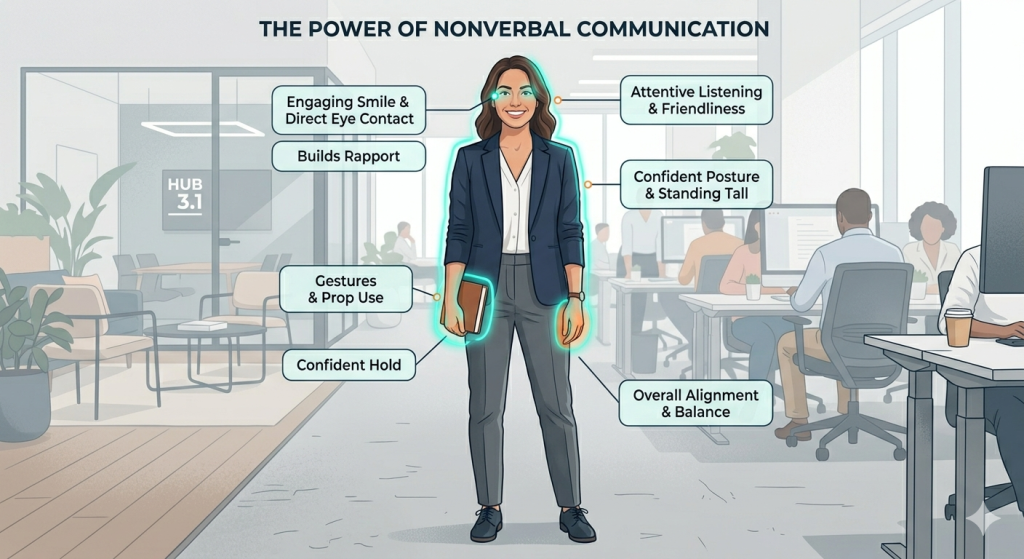
Your body language involves all of your nonverbal gestures which relay what your mind is telling your body, thus allowing other people to pick up cues as to what you truly feel and mean even if you have tried your best to conceal it using words.
Why do your nonverbal cues count more than your words?
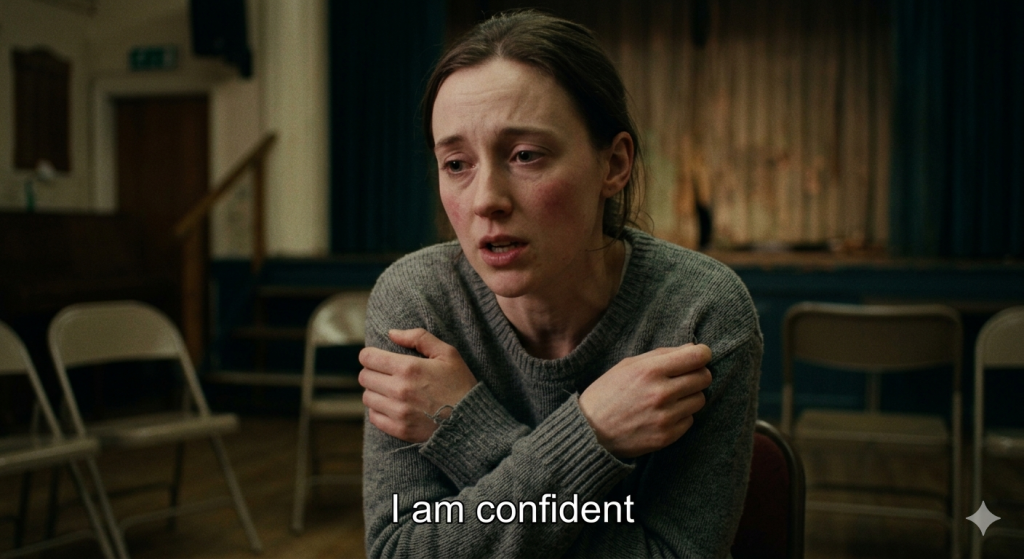
When faced with both written and spoken communication regarding the same information, humans rely on their ability to ‘read’ their fellow man more than on words that are written. When your words “I feel confident” are in conflict with your bodily form such as weak posture, people would choose to rely on your stance over your words.
How it affects your initial impression?

First impressions are built within seconds and body language plays a very significant role. With firm body language and direct eye contact, you would find yourself to be more approachable and highly trusted.
Avoid these common body language blunders

- Lack of eye contact
- Slouching shoulders
- Crossing your arms
- Fidgeting
Negative Gestures That Signal a Loss of Confidence
These movements signal anxiety, insecurity or boredom-whether you have intended for them to or not. They are commonly mistaken as indicators that you are not interested and have no confidence at all.
How people interpret weak body language

- Inexperienced
- Untrustworthy
- Disinterested
The good news is that all these symptoms are fixable.
10 Ways to Build Self Confidence with Your Body Language
This tutorial contains fifteen simple techniques you can immediately use to bolster self-confidence.
1. Always stand tall with good posture.
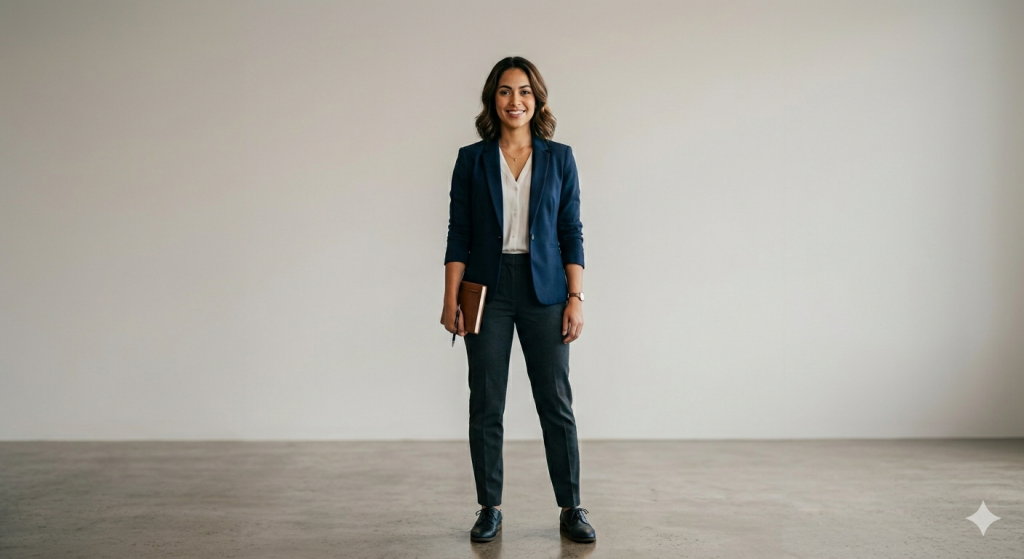
Stand up straight with relaxed shoulders. This posture directly indicates confidence.
2. Maintain constant eye contact with people when talking.

People you speak to would immediately trust you more.
3. Offer a firm and strong handshake.

A handshake can either boost or destroy the first impression that others have of you.
4. Give a natural smile regularly.

Smile as often as possible to show the warmth in your personality.
5. Use confident and relaxed gestures.
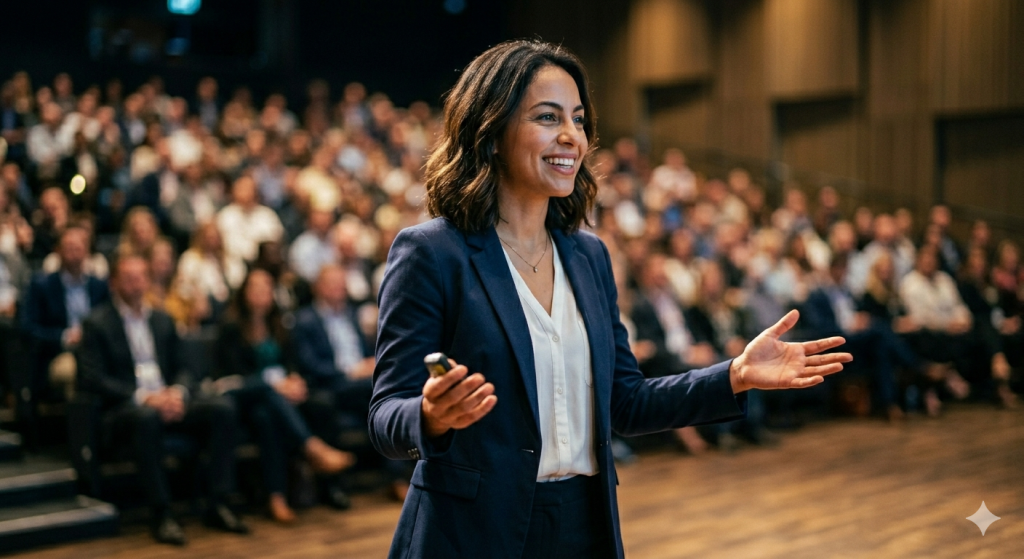
Employ open palm gestures when you communicate your message.
6. Walk confidently and with a purpose.
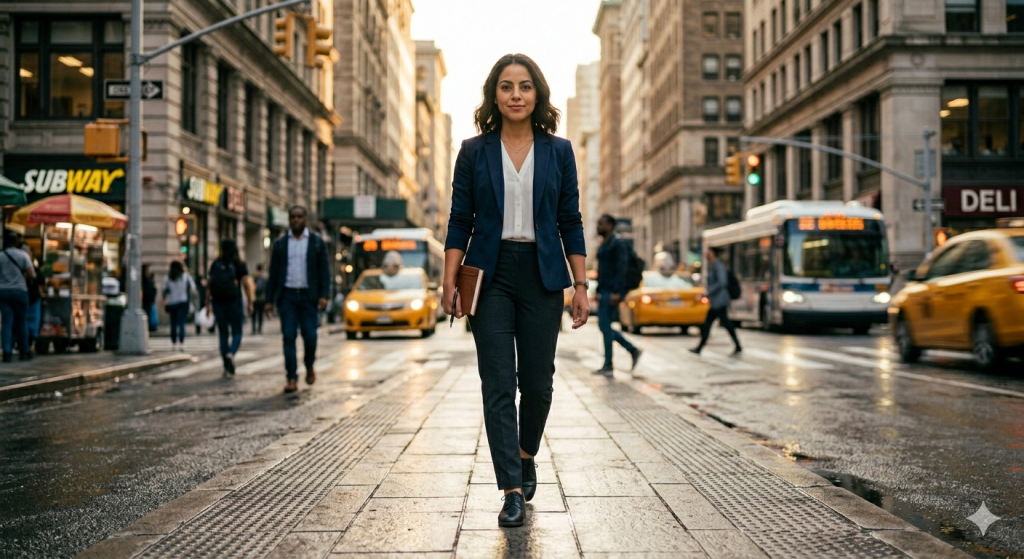
Make sure that your stride is straight and steady, as this gives an image of someone with goals and a firm intention of getting somewhere.
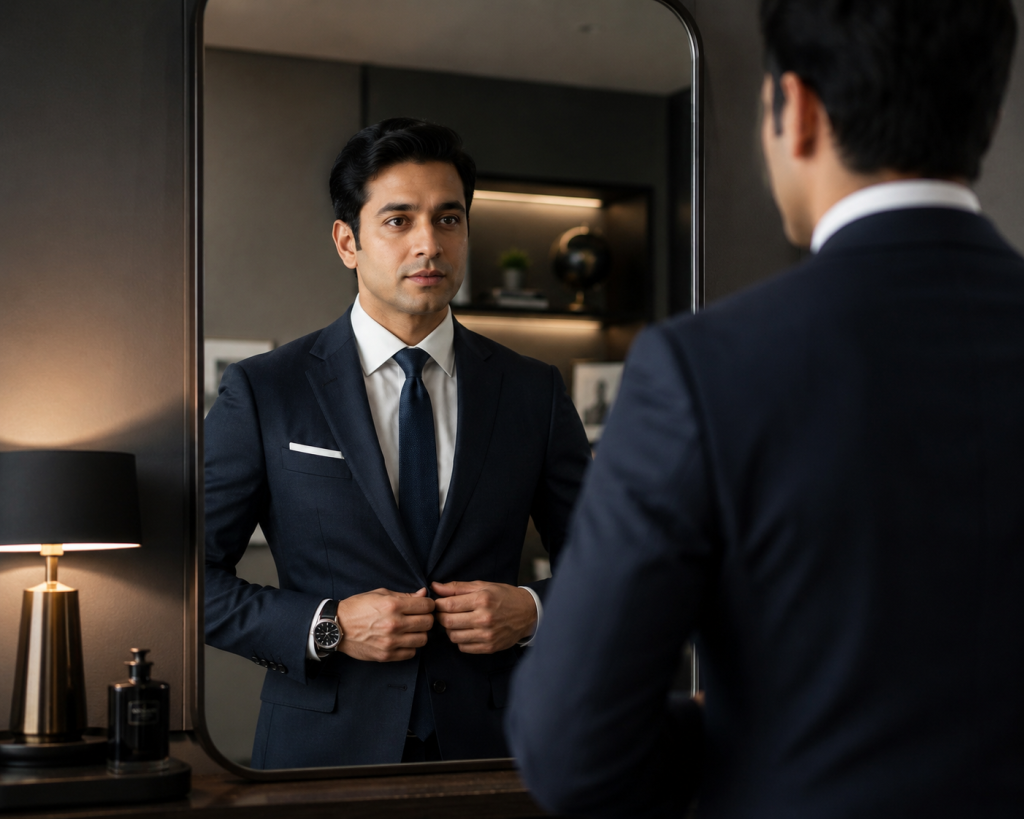
7. Practice your power stances in the mirror.

These power stances help in developing and boosting your confidence level even when you have just tried something new and you are uncertain if it would end up as well as you hope.
8. Slow down your movements.
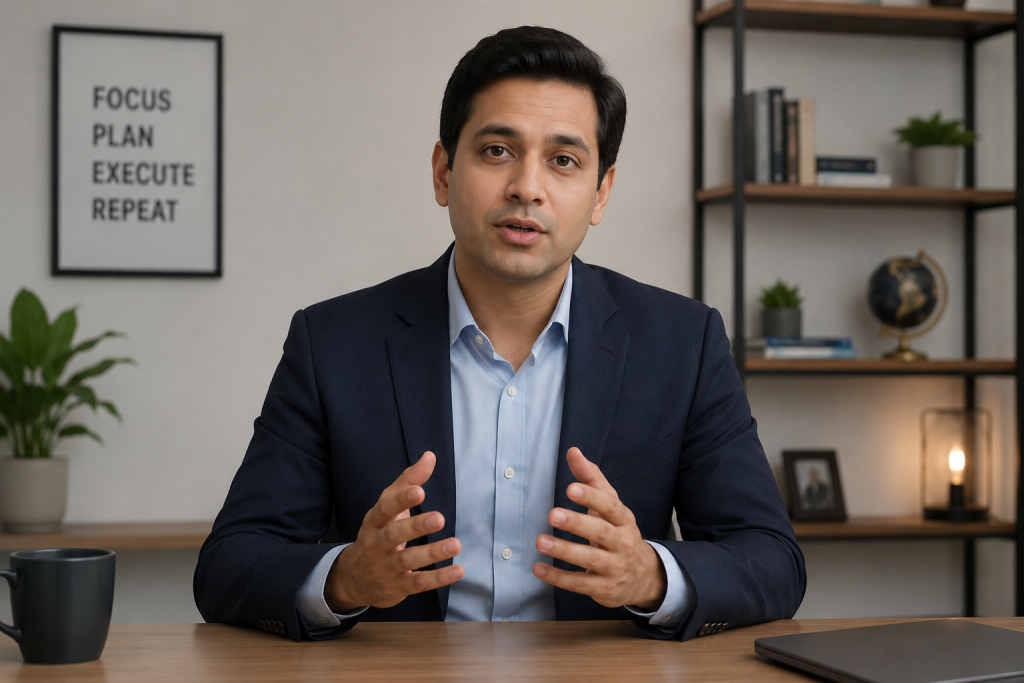
People who tend to move very fast are often seen as individuals that are nervous and insecure.
9. Nod to convey engagement.

A nod from you indicates to others that you are paying attention and have interest.
10. Dress well to feel confident.
While this may seem unrelated, your clothes can impact your posture and how you carry yourself. When you look good, you feel good.
Habits that You Should Incorporate into Your Daily Routine
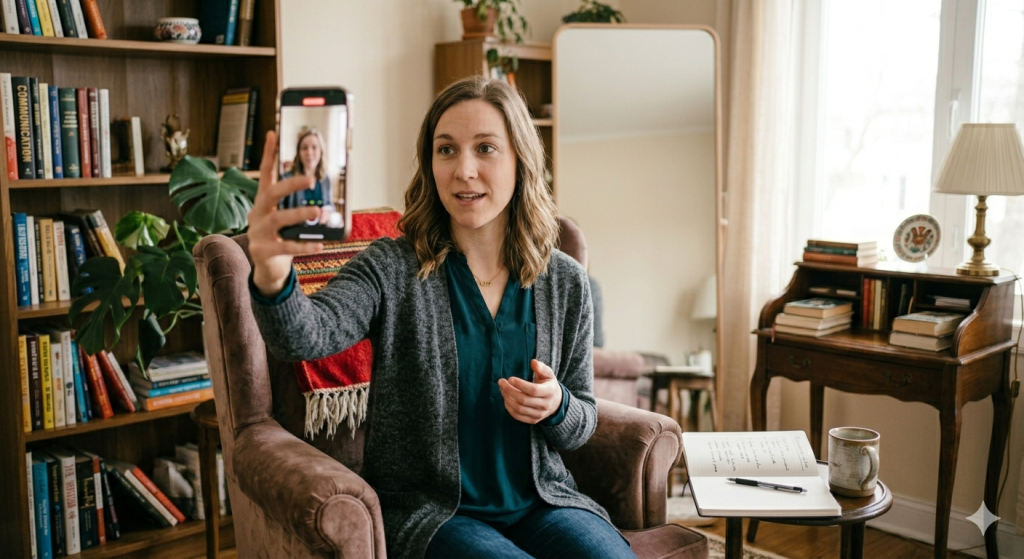
- Look at yourself in the mirror.
- Record yourself while speaking so you can spot your body language mistakes.
In every social interaction you have, remain observant of your sitting, standing, and movement habits.
By being consistent, you can make remarkable improvements over time.
Body Language for Various Situations

For Job Interviews:
- Posture with upright shoulders
- Direct eye contact
- Planned gestures
Social Settings:
- More smiles
- Open posture
- Less time on your phone
Workplaces and Meetings:
- Leaning in to convey attention
- Nodding to show engagement
- Avoiding slouching
Common Misconceptions about Body Language
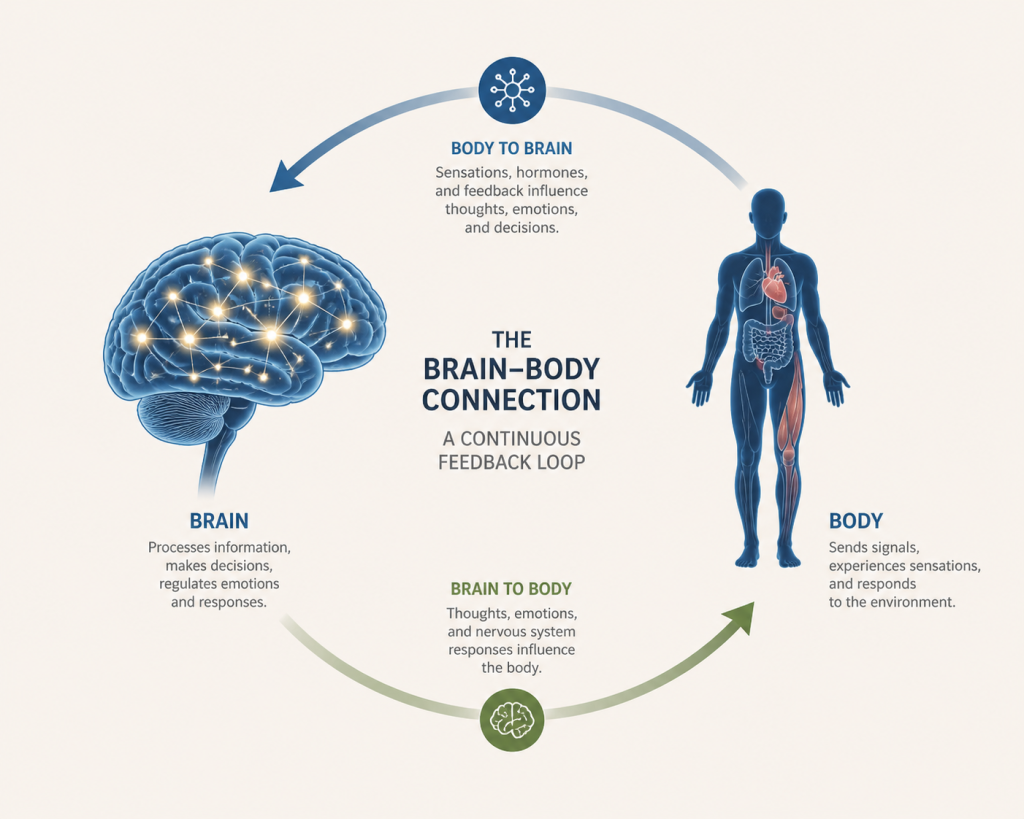
- Confidence is only genetic. This is false as you can build it.
- It’s impossible to change your body language. This statement is a myth as you can modify your body language with constant practice.
Fact: Practice does make you more confident. Your brain gets used to your body. Act confidently feels confident.
Conclusion: Begin Bettering Your Body Language Today

You will never need long-term training to improve your body language. Follow the tips given to improve your self-confidence, and you can begin seeing the effects almost immediately.
Never forget:
- Small steps will pave your way to long-term changes.
- Your body is the voice before your actual words are spoken.
- Small things can make big differences.
Today, stand tall, gaze into people’s eyes and walk with assurance.
Sometimes, you don’t need a list of things to say, but rather an image of yourself you have always wanted to portray to others.
Frequently Asked Questions (FAQ):
1. How can I improve my body language and communication skills?
2. How can using body language enhance effective communication in a corporate environment?
3. What is the importance of using body language effectively in corporate communication?
4. What makes body language more impactful than verbal communication in a professional setting?