
Stress Is Probably Why You’re Not Losing Weight
Most of us think that weight loss is simple. Eat less, move more, be consistent. And if it isn’t working, the answer must be-obviously more discipline. Try harder, be stricter or just stop making excuses.That’s what we think, right? This is because that framing is everywhere. Every diet plan, every fitness influencer and every person who’s lost weight tells you how they did it — it all comes back to the same thing-Calories, effort and willpower but no one tells you that stress is probably why you’re not losing weight.
But in a lot of cases people are doing everything “right” and still not losing weight, they are genuinely trying, genuinely consistent, and the scale just doesn’t move. And we think that “they must be cheating” or “they’re not trying hard enough”. In contrary
for a lot of those people in fact for most of them — stress is what’s running in the background messing everything up.
The Cortisol Effect
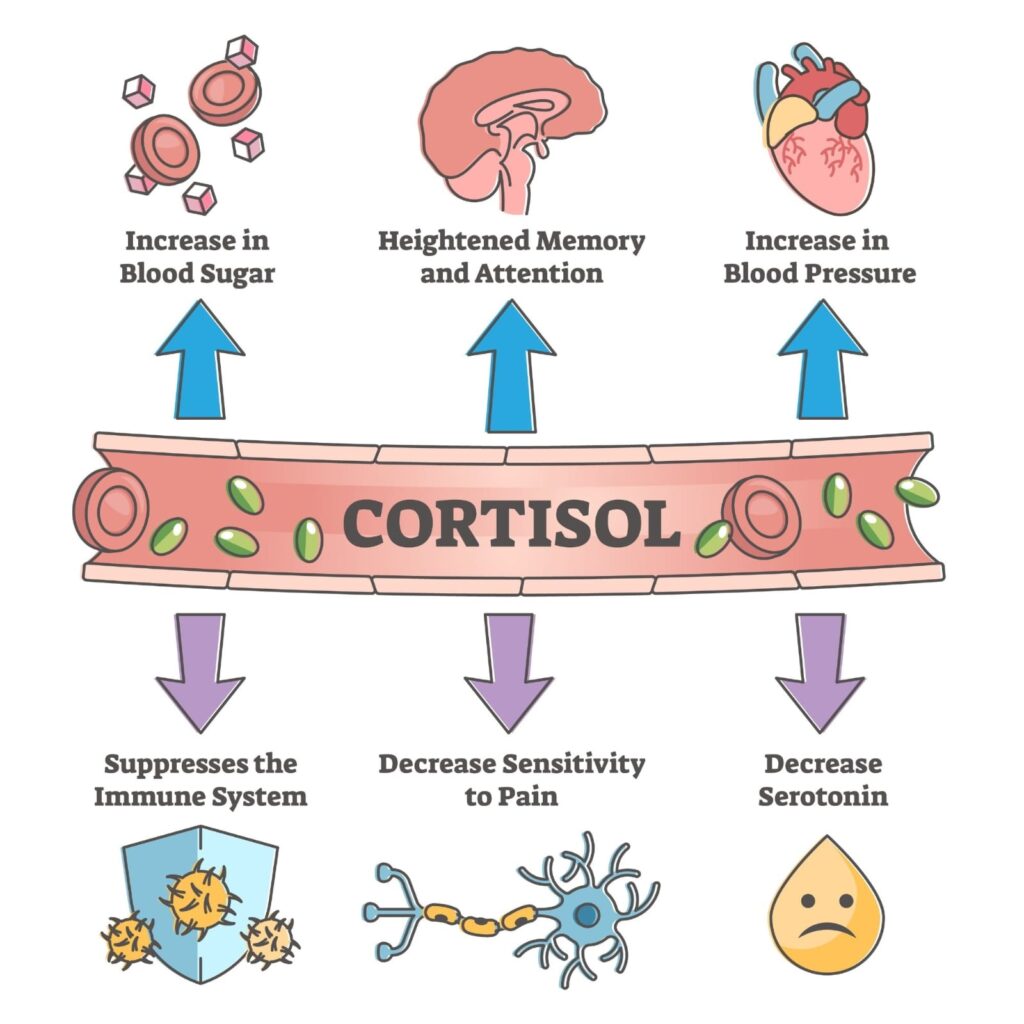
Your body does not care about your goals.Your body’s top priority isn’t to look good or feel good or lose fat. Its priority, at a biological level, is survival and when you’re under chronic stress, your body genuinely thinks something is wrong. It thinks resources might be scarce or the danger might be near so it responds accordingly.
The way it responds is through cortisol which is the main stress hormone and when it stays elevated for long periods it starts doing things that are essentially the opposite of what you want when you’re trying to lose weight.
It shoots up our appetite and increases cravings specifically for calorie-dense foods — fat, sugar, salt. It signals the body to hold onto fat stores rather than burn them, especially around the stomach so stress is probably why you’re not losing weight even after regular diet and exercise. And it interferes with sleep, which then creates its own separate trap of problems.
None of this is happening because you’re weak or undisciplined. It’s happening because your body is following instructions that made perfect sense for most of human history, just not for the particular kind of stress most of us are dealing with in modern life.
A work deadline isn’t a predator. But your nervous system treats it like one.
Sleep and hormones
When you don’t sleep enough — and a lot of stressed people aren’t sleeping enough, because cortisol literally interferes with sleep quality — two hormones get disrupted in a really inconvenient way.
Hormones that control hunger
Ghrelin is the hormone that makes you feel hungry and when you don’t sleep enough it goes up. Leptin the hormone that makes you feel full and satisfied goes down. So after a bad night you wake up already hungrier than usual and already less able to feel satisfied when you eat.
And then your cortisol is higher because your body experiences poor sleep as a stressor. And your prefrontal cortex — which is basically the decision-making, impulse-control part of your brain — is running on empty because it needs sleep to function properly.
So you’re now in a state where you’re biologically hungrier than usual, less able to feel full, more drawn to high-calorie comfort foods, and less equipped neurologically to make the careful intentional choices that a diet requires.
Emotional eating
People talk about emotional eating like it’s this thing that some people do because they’re weak or they never learned to cope properly. And that framing does a lot of harm because it just adds shame on top of an already difficult pattern. But the proper explanation is as follows.
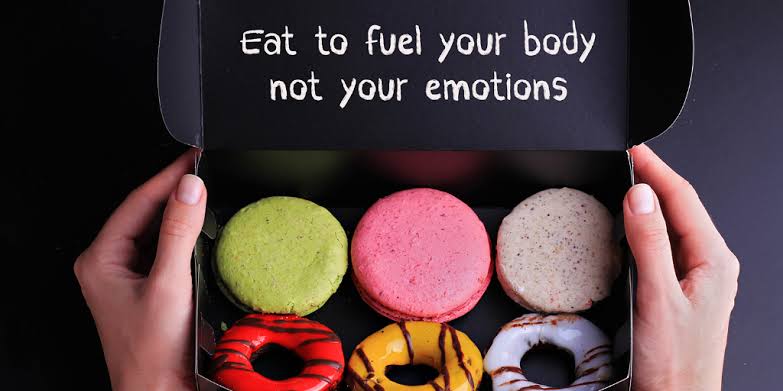
Cause of emotional eating
When cortisol is elevated, your brain is in a low-grade state of distress and it’s looking for relief. Certain foods — particularly sugary, fatty, salty ones — trigger a dopamine response. They provide actual and real relief temporarily so literally stress is why you are not loosing weight. But the brain doesn’t really care about the temporary effect. It just learns “stress equals eating something and then feeling better” and that loop gets reinforced every time it happens.
Eventually it’s not even a conscious decision anymore. You’re stressed, and almost automatically you’re in the kitchen. The behaviour is happening faster than your conscious mind is involved.
You can’t really think your way out of that with more discipline. The pattern is running below the level where discipline operates. What you can do is work on the stress itself, so the brain isn’t in that state of distress looking for relief all the time. That’s where the actual leverage is.
Real stress busters-
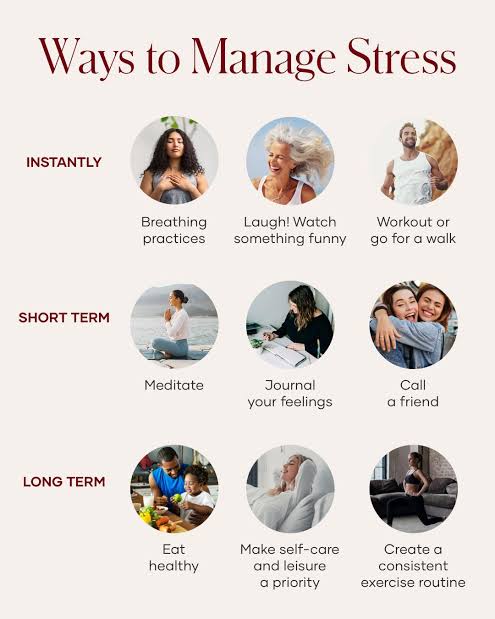
Movement
Movement is probably the single most useful thing. Not because of the calories. Because exercise is one of the only things that actually metabolises cortisol. Like literally uses it up. After you move your body, cortisol drops, endorphins rise, mood improves, sleep tends to get better. The effect is real and pretty immediate.
The silver lining is it doesn’t have to be intense, a walk or even a bike ride counts. Something you’ll actually do consistently is worth ten times more than something perfect that you dread and eventually stop doing.
Sleep.
Sleep is also an essential part of this journey. Everything — hunger, cravings, mood, decision making, cortisol, metabolism — works better when you’re sleeping properly. Trying to lose weight while chronically sleep deprived is fighting uphill both ways. Consistent sleep and wake times, a wind-down routine, keeping the room cool and dark — these sound boring but they work pretty effectively.
Mindfulness.
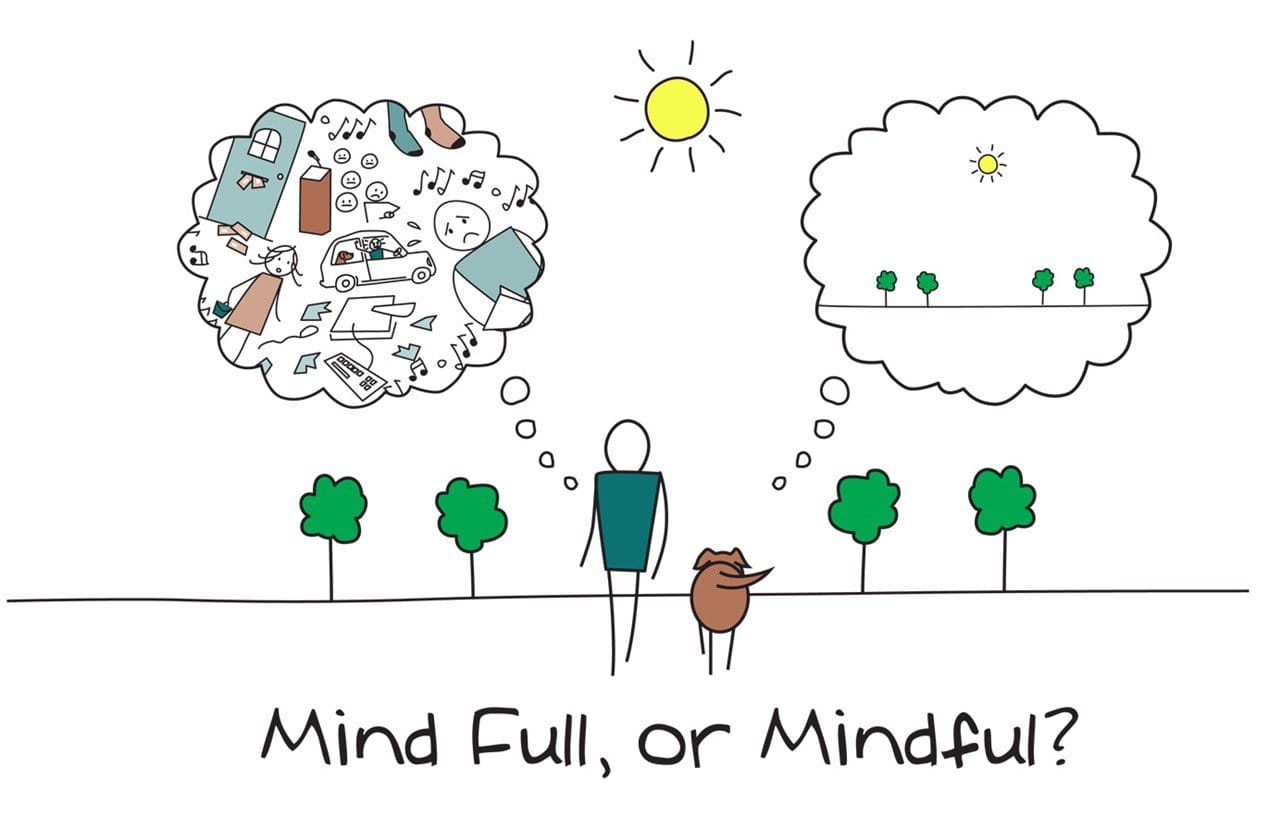
Mindfulness sounds like a buzzword but the actual mechanism is useful. It’s about creating a small gap between feeling something and reacting to it. To practice it many tools such as meditation, journaling or diary writing can be used and it shows significant results for emotional eating specifically, that gap is where change happens. Even just learning to pause and ask “am i actually hungry right now, or am i just stressed or bored” is more powerful than it sounds. That question alone can interrupt a pattern that’s been running for years.
Social connection.
Real social connection matters more than most people realise. Not texting, not social media. You need to actually talk to people you trust, people you can be honest with. Loneliness and isolation independently raise cortisol. Community and genuine connection release stress in a way that nothing else quite replicates. Wiring of humans is in a way thatwhen it’s missing the body registers that as a threat.
Nutrition and stress
Food quality also plays into stress. Low magnesium is really common and it’s associated with higher anxiety and worse sleep. Vitamins support how the nervous system handles stress. Omega-3s reduce inflammation in the brain and body. Eating a lot of processed food and sugar causes blood sugar swings that directly affect mood, energy and stress tolerance. So eating well helps you manage stress better, and managing stress makes eating well easier. Both things are true simultaneously.
The Actual Scenario
Three quarters of adults say stress is negatively affecting their physical health — that’s from the American Psychological Association. Chronic stress is consistently linked to higher rates of obesity, cardiovascular disease and metabolic disorders. The World Health Organisation estimates that anxiety and depression alone cost the global economy about a trillion dollars a year in productivity losses.
And somehow we’re still out here treating “learn to manage your stress” as less serious advice than “count your macros.”
For a lot of people, stress isn’t something to deal with after you’ve sorted your weight. It’s the reason the weight stuff isn’t working in the first place.
The real solution
If the scenario feels familiar to you, if you’ve been trying and things aren’t shifting the way they should — it might be worth honestly looking at the stress piece. Not as a soft secondary thing rather as the main thing. Because sometimes that’s exactly what it is-
getting sleep sorted, finding movement you’ll actually do, building real connection, eating in a way that supports your brain — none of it is glamorous or fast. But it’s the kind of thing that’s
probably worth more than another diet.