The Hidden Truth About Electric Mobility in India
More and more cities and towns are ditching petroleum, powered vehicles and going for electric ones; thus, India is quickly heading in the direction of electric mobility. EVs are coming into India in various forms, with the main features being green, lower running costs, and a new innovative solution. However, the truth is that people rarely talk about the many negative consequences of electric mobility in India, even in casual conversations. It is a fact that electric vehicles have many benefits, and they are also a convenient option for consumers. Most of the consumers get to know the big cons of electric vehicles only after their purchase, when they find out that their electric vehicles do not fulfill their desires as they thought before. In this piece, we will highlight The Hidden Truth About Electric Mobility in India by being very frank, straightforward, and honest about the topic.
Electric vehicles are environmentally friendly, but where does the electricity for the vehicles come from?
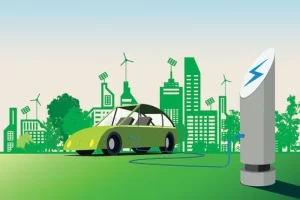
One of the major benefits of electric vehicles is that they do not produce any exhaust gases while driving. This certainly positions electric vehicles as an excellent option for congested and polluted cities like Delhi. While electric vehicles do not emit any exhaust gases directly during their operation, this does not indicate that they totally eliminate such gases. Carbon-based sources generate the majority of electricity in India. This means that when someone charges an electric vehicle, fossil fuels most likely produce the electricity used to charge the vehicle. Electric vehicles reduce pollution in cities, but their entry into the market does not reduce the overall pollution in India.
Environmental Factors in Battery Manufacturing:
The battery is the primary component of an electric vehicle. Lithium, cobalt, nickel, and other elements are required to produce an electric vehicle battery. Mining these elements destroys forests and rivers, and harms the health of the inhabitants of nearby areas. Besides that, battery manufacturing units consume huge quantities of energy. Actually, an electric car has a huge carbon footprint even before a customer chooses to buy it. Eventually, the batteries of an electric vehicle will have to be recycled. However, in India, the mechanism for recycling electric vehicle batteries comprehensively has not been developed yet. Improper disposal of batteries might cause contamination of soil and groundwater. The ones located in the major cities like Delhi, Mumbai, and Bangalore in India are the first to have developed and advanced charging stations. But in a smaller city, it has been quite challenging to locate a charging station lately. The majority of electric vehicle owners in India have their cars charged at home to make sure that their vehicles always have enough power.
High Purchase Price of Electric Vehicles (EVs):
Although driving an electric vehicle (EV) will be cheaper than driving a petrol/diesel car, the purchase price is still high. The purchase price of an EV is higher than that of a petrol/diesel car, and for most lower and middle-class families, this can be a major drawback to purchasing an EV. Most people do not realize that the battery of an EV also has to be replaced; although the battery has a very long life, the replacement cost of the battery can be up to 50% of the original purchase price of the car.
The Actual Range of EVs Is Less Than Advertising:
Most advertisements for most EVs give a theoretical range of every EV based on “ideal conditions”; however, for real-world driving conditions in India and Asia, these “ideal conditions” do not apply. Conditions such as poor traffic, poor roads, extremely hot weather, use of the air conditioner, or carrying heavy loads can all affect the actual range of an EV. For this reason, the actual range of an EV is less than what the manufacturer claims. This large difference between the manufacturer’s claim of how far they can go and how far they actually can go has left many first-time EV users disappointed and unhappy. That’s The Hidden Truth About Electric Mobility in India.
Limited Options for EV Repairs:
Companies must train technicians for maintenance and repairs on an electric vehicle (EV), as they do for gas-powered (petrol) vehicles. While large metropolitan cities have EV-trained technicians available, smaller cities do not have trained technicians who can perform EV repairs. When an EV owner needs repair, they must either wait for parts or travel to the closest trained technician. If no technician works in a rural area, customers cannot get repair service for their EV. The limited number of providers and technicians available makes the transition from gas vehicles to EVs more difficult for consumers.
Selling & Charging EVs:
Because EV batteries cost a lot and because parts cost significantly more, insurers will raise the cost of insuring EVs. Furthermore, because EVs remain new to the Indian vehicle market, uncertainty will surround their future resale value. Although EV owners will fear depreciation after 5 to 6 years of ownership, advancing technology will devalue not only the battery but also all EV models. Therefore, as technological advancement in EVs continues to accelerate, EVs over 5 years old that lack the latest EV technology will likely depreciate significantly faster than gas-powered vehicles (ICE).
Final Recommendations:
This is going to be more of a change to your life than you would think. Your daily life is really going to be different. Your daily life will change in ways you do not expect. You stop at a petrol station. Then you are back, on the road five minutes later. With an Electric Vehicle you have to think about this every day. You have to plan your day around charging your Electric Vehicle. This is something that you do all the time with an Electric Vehicle.
Book your consultancy at EV Fitting & Service