
What is Generation-Z ? Digital Traits, Social Values, and Shopping Habits
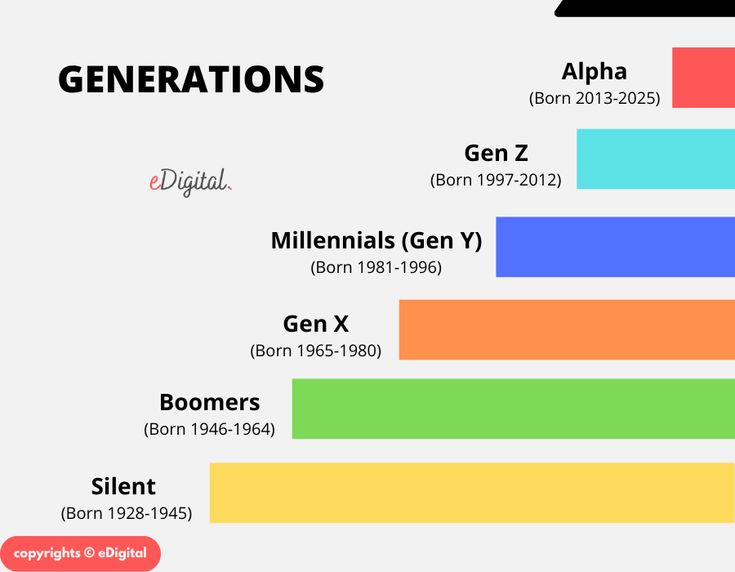
Gen Z age renge
Gen Z (Generation Z) refers to individuals born roughly between the late 1990s and the early 2010s. They come after the Millennial generation and just before Generation Alpha.
Defining Characteristics of Generation Z
Gen Z grew up with the internet, smartphones, and social media being central to their everyday experiences.
Additionally, they are often described as self-driven, collaborative, adaptive, and diverse in their thinking.
Along with these personality traits, social values such as inclusivity, environmental awareness, and authenticity are important to Gen Z.
They are typically practical and financially cautious because they grew up during a period of global economic uncertainty.
Gen Z communicates mainly through digital platforms. They prefer a more selective and authentic social media presence than prior generations.
As a result of their growing numbers and influence, Gen Z is entering the workforce and shaping trends in technology, culture, social issues, and consumer habits.
In summary, Gen Z is defined by their digital upbringing, diversity, social awareness, and adaptability to rapid change.
Although Gen Z is known for their strong digital habits, their social values are equally central to who they are.
Digital Traits of Gen Z.
Gen Z is highly proficient with digital devices, online platforms, and social media, making technology an integral part of their daily lives.
- Most have never known a world without the internet or smartphones, relying heavily on mobile devices for communication, entertainment, shopping, and learning.
- They spend significant hours online, are accustomed to instant access and rapid cross-referencing of information, and have a low tolerance for slow or outdated systems.
- Gen Z favors visual and video-sharing platforms (like TikTok and Snapchat) and often prefers more private and ephemeral forms of communication rather than public feeds.
- They are fast multitaskers and adapt quickly to new tech and platforms.
- In addition, Gen Z also tends to curate their online presence deliberately, balancing public sharing and privacy more carefully than previous generations.
Social Traits:
- Gen Z values diversity, inclusivity, and social justice, often using digital platforms to advocate for these causes (regarding gender, race, sexuality, etc.) and connect with like-minded communities globally.
- They also tend to be self-reliant, pragmatic, and realistic, influenced by growing up during global economic uncertainties.
- Moreover, social media is not just for connection, but Gen Z uses it for activism, entrepreneurship, content creation, and self-expression.
- Mental health awareness is another major focus. They often discuss these topics openly and use digital resources for support.
- Altogether, Gen Z blends their online and offline identities fluidly, integrating their digital and real-world experiences.
In summary, constant digital connectivity, a preference for authenticity and privacy, and a strong commitment to diversity and social causes collectively define the main digital and social traits of Generation Z.
How are Gen Z’s communication and shopping habits changing?
The main differences between Gen Z and other generations, especially Millennials, are rooted in their digital upbringing, attitudes, and social values.
The table below highlights some key contrasts between Generation Z and Millennials :
| Aspects of Gen Z Millennials | ls | |
|---|---|---|
| Birth Years | 1997–2012 | 1981–1996 |
| Tech Experience | True digital natives—never knew a world without smartphones, social media, or fast internet; highly comfortable with rapid tech changes. | Experienced the transition from analog to digital; witnessed the rise of social media and smartphones as young adults. |
| Attention Span | Shorter prefers fast, visual info; multitasks with several devices at once. | Longer, more inclined to use Facebook/Instagram, and read longer content. |
| Work Values | Prefers independence, flexibility, mental health resources, and inclusivity; values dream jobs and support. | Values stability, a collaborative environment, and meaningful work; prefers teamwork. |
| Worldview | More realistic and pragmatic; influenced by uncertainty, global issues, and digital overload. | More optimistic (at least initially), having grown during an economic boom, then facing a recession. |
| Education/Careers | Taught with tech from early childhood, embraces online learning and a wide range of career options, but faces more competition. | Experienced more traditional education, less career diversity, and earlier internet exposure. |
| Social Media Usage | Prefers private, ephemeral platforms and authentic content (Snapchat, TikTok); careful with digital footprint. | Uses Facebook and Instagram, shares more public content, and values online presence curation. |
| Consumer Behavior | Values-driven; expects brand authenticity, social responsibility, and seamless digital shopping. | Values, experiences, bargains, and reviews are still important, but less likely to demand activism from brands. |
Beyond their differences with Millennials, Gen Z also stands apart from even older generations like Gen X and Boomers:
Earlier generations had little to no digital exposure in their youth.
Gen X and Boomers are less adept with rapidly evolving technology and often value in-person interaction and stability over the digital immediacy and flexibility that defines Gen Z.
conclusion
In contrast, Gen Z (Generation Z) stands out for being highly adaptive, pragmatic, deeply immersed in digital culture from birth, and driven by authenticity, diversity, and social causes—traits that set them apart from not just Millennials, but all previous generations.