Different Types of Computer Languages
Computer Language: In today’s rapidly evolving tech world, understanding the different types of computer language is essential. From modern apps to powerful AI systems, these languages form the invisible infrastructure that keeps digital systems running smoothly.
Define Computer Language
A computer language provides a means for humans to communicate complex logic and commands to computing machines in a structure it can execute. At their foundation, computer languages are a formalized series of symbols and rules that precisely encode algorithms, programs, data structures, and abstractions. These encoded instructions allow programmers to build applications and solutions at a scale not possible through purely physical input.
Types of Computer Languages
There are multiple generations of computer languages, each designed for particular uses and levels of abstraction.
- Machine language sits closest to literal computer components, comprising just numbers that directly control processor functions.
- Assembly language is a step above machine code. It still requires translation. Using symbolic codes and labels allows for easier human readability and understanding compared to its even lower-level predecessor.
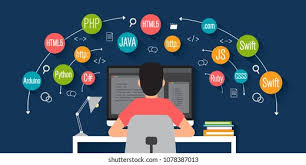
- High-level languages abstract away further from the hardware and more easily resemble natural language. Examples include the ubiquitous Python, with its clear syntax; the robust and versatile Java, suitable for many applications; and C++, which offers flexibility and performance but also added complexity.
- very high-level languages, which facilitate specific domains through convenient notations and approaches tailored to the task at hand. HTML formats text for display on the internet.
- Object-oriented languages meld data and functionality through the class construct. Java and Python both support full-fledged object orientation to build robust software from reusable components.
Computer Language and Generation
Relation with computer language and generation. The notions of computer language and generation are closely related. With the advancement of computer technology, programming languages have also progressed. Modern high-level languages move further away from direct hardware interaction and are designed to resemble everyday human language.
For example:
- 1 GL and 2 GL were hardware-dependent.
- 2 GL significantly simplified coding and was less system-dependent.
- 5 GL enables AI and logic-based reasoning.
Computer Language and Translator
Because computers speak only binary, every computer language—including C++ and Python—requires translation so that the machine can understand the instructions given. Translators in computer language. Different types of computer language require different translators, such as compilers or interpreters, to run effectively. There are mainly three types of translators:
- Compiler—Processes the complete code in one go (e.g., C++).
- Interpreter—Translates the code line by line (e.g., Python).
- Assembler—It changes assembly code into machine code.
These translators are essential for the smooth and efficient operation of programs.
Computer Language A to Z
There are hundreds of computer languages out there, from Ada to Zig. And here’s a quick look at a handful of the most noteworthy ones
- Q: Quantum A: Ada-Defense
- Aerospace Q: Ada—Defense and Aerospace
- B: BASIC—Introductory language
- C: C—General-purpose language
- D: Dart—for mobile app development as well
- E: Eiffel—Object-oriented programming
- Z: Zig—Low-level systems programming
A zoo of computer languages can be put into perspective by going through them from A to Z in order to gain an understanding of their development and use.
Computer Language App
Many apps can help you learn or use programming languages, including
- SoloLearn
- MimoProgramming
- HeroGrasshopper (great for JavaScript)
- PyDroid (perfect for Python)
These applications offer beginners a chance to learn through interactive lessons and practice coding in real time.
Conclusion
Exploring the various types of computer languages offers a clearer understanding of how today’s digital systems think, operate, and respond to our commands. To convey the essence plainly, computer languages are the pulsating core of computation. They propel the wide range of frameworks, from minimal machine commands up through elevated applications and the AI frameworks that mold the material of our regular existences. Perceptions of the contrasting sorts, levels of abstraction, and functional uses of these tongues not just urge programming advancement; they additionally expand your comprehension of how advanced advancements are as a whole.